
By Michael J. Whitlock, Executive Vice President – Bail Division
I must confess, I have a soft spot for Texas. After all, it’s where I got my start in the bail profession back in 1981. Since that time, I’ve attended
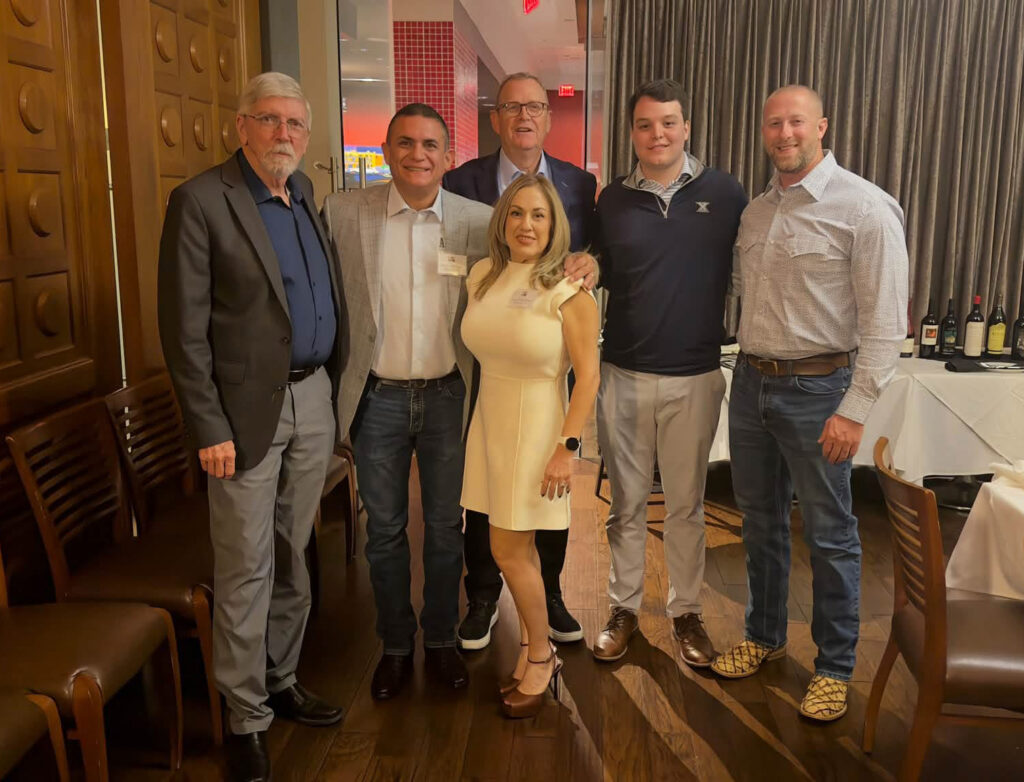
From Left to Right – Roger Moore, Renee and Bessie Anzaldua, Mike Whitlock, Peter Tuttle and Nick DeBord
more state and national bail conferences than I could possibly count, but there are a few I genuinely look forward to every year. The Professional Bondsmen of Texas (PBT) Annual Conference in San Antonio is one of them.
Maybe it’s the people, the friendships I’ve made over the years, or simply the way Texans go about their business. Whatever the reason, I always enjoy my time in San Antonio. The PBT folks know how to put on a conference. The agenda is interesting, the participation is impressive, and the conference committee never fails to outdo itself. This year’s Bail & Boots theme was no exception.
Every state association has different levels of participation, and Texas sets the bar high in this regard. Their continuing education program is top-notch, featuring longtime instructors such as attorneys Roger Moore, Ken Good, and Randy Adler, all experts in Texas bail law who know how to keep things interesting.
The legislative committee works as hard as any in the country. Texas is one of only four states whose legislatures convene every other year, and when lawmakers gather in Austin for their 140-day session, the action is fast and furious. An average of approximately 7,500 bills have been introduced each regular session since 2017, including more than 8,700 in 2025 alone.
Adding to the complexity is the considerable power of the Texas Lieutenant Governor, who presides over the Senate, appoints committee chairs and members, and influences which bills move forward. Understanding these legislative dynamics is essential to effective advocacy.
PBT’s legislative committee and advocacy team spend an extraordinary amount of time in Austin meeting with legislators, attending hearings, and testifying before committees. Keep in mind, PBT’s legislative committee members volunteer their time. That’s commitment.
The bail profession in Texas has been playing defense for the last several sessions, and that can begin to wear on anyone. Nevertheless, PBT’s legislative team has remained steadfast in its fight to preserve commercial bail and the constitutional right to bail.
If you are writing bail in Texas and are not a member of PBT, I encourage you to reconsider. Whether you agree with every position PBT takes or not, one thing is certain: when the Texas Legislature is in session, you want these folks in Austin looking out for your interests.
On a travel note, I’ve been invited to speak at the first annual conference of the Minnesota Bail Association on November 5 and to the membership of the Tennessee Association of Professional Bail Agents in Memphis on December 3. See the Don’t Bail on These Events calendar for details.
I hope to see you there.